Do you know the stages of periodontal disease and how they can impact your oral health? This widespread condition affects millions, often without them realizing the extent of the damage. And as they say, knowledge is power – especially when it comes to protecting your smile. In this blog post, we’ll break down the four stages of periodontal disease, from the initial signs of gingivitis to the advanced stages of periodontitis, to give you a better understanding of what this disease really is.
What is Periodontal Disease?
Gum disease, or periodontal disease, is a persistent bacterial infection that targets the very foundation of your smile—your gums and the bone that anchors your teeth. This condition isn’t static; if ignored, it steadily worsens, leading to more severe problems.
The root cause of this disease is plaque, a sticky bacterial film that forms on teeth. When plaque isn’t regularly removed by brushing and flossing, it solidifies into tartar, a stubborn substance only a dental professional can remove. Both plaque and tartar act as irritants to your gums, causing redness, swelling, and even bleeding.
If this inflammation (gingivitis) isn’t addressed, the infection can spread deeper, damaging the bone and connective tissues that hold your teeth in place. This advanced stage is called periodontitis and can lead to tooth loss, bone loss, and other serious oral health complications.
4 Stages of Periodontal Disease in Bradenton
Understanding the different types of gum disease is crucial for seeking timely treatment and preventing further damage to your oral health. Let’s explore the four distinct stages:
1. Gingivitis
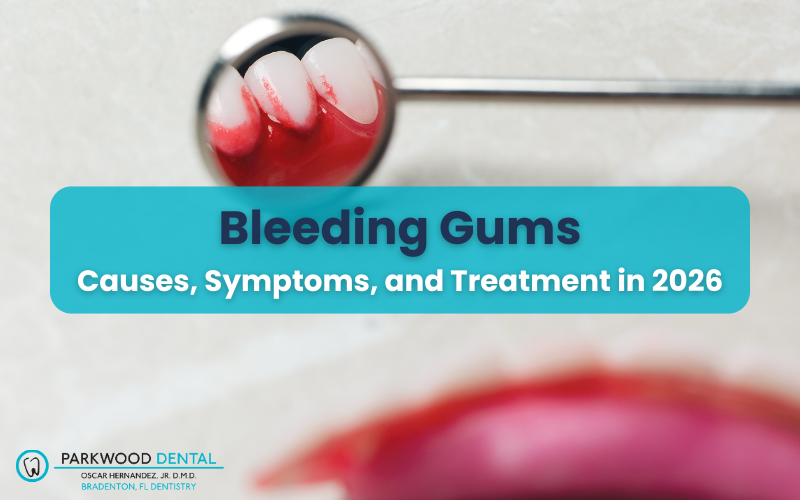
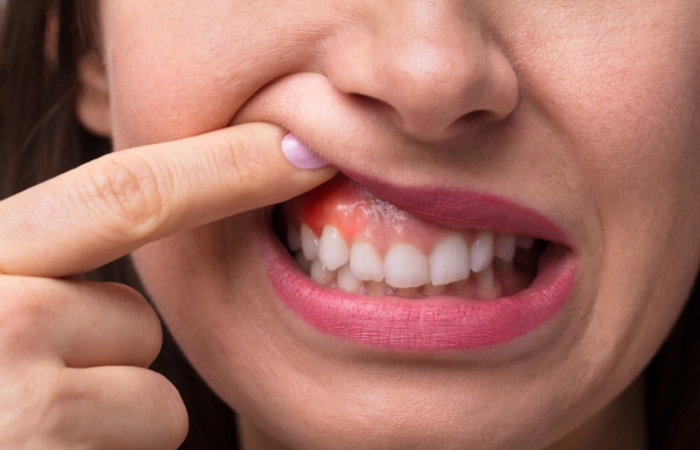
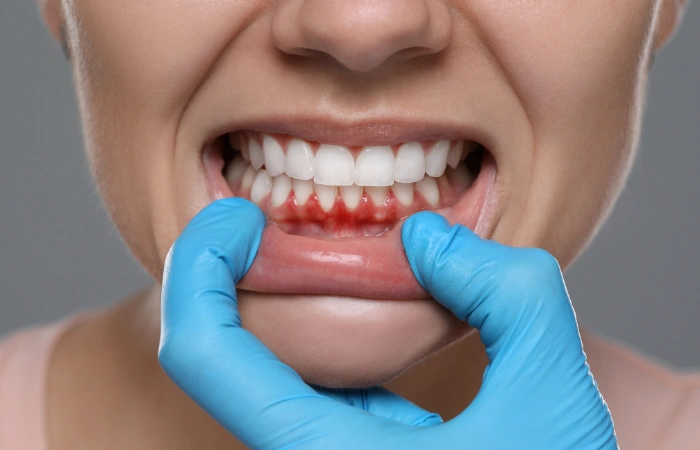
Gingivitis is the earliest and most common form of periodontal disease. It’s characterized by irritated and swollen gums, usually triggered by the buildup of plaque—that sticky film of bacteria—where teeth meet gums. If you don’t regularly brush and floss to remove this plaque, it can cause your gums to become red, puffy, and tender.
The most common signs of gingivitis include:
- Redness and swelling of the gums
- Bleeding gums, especially during brushing or flossing
- Tenderness or discomfort in the gums
- Persistent bad breath or a bad taste in your mouth
Fortunately, gingivitis is reversible with prompt and proper treatment. Professional dental cleaning (scaling and root planing) can remove plaque and tartar buildup, allowing the gums to heal. Improved oral hygiene habits, such as brushing two times a day, flossing daily, and using an antimicrobial mouthwash, are essential for preventing gingivitis from returning.
2. Early Periodontitis
If you don’t treat gingivitis, it will progress to early periodontitis. During this stage, the infection begins to affect the bone supporting your teeth. The bacteria in plaque start to invade the space between the gums and teeth, creating pockets where they can multiply and cause further damage.
In addition to the symptoms of gingivitis, you may notice:
- Gums receding, exposing more of the tooth root.
- Noticeable gaps developing between your teeth and gums.
- Lingering bad breath or an unpleasant taste in your mouth.
Early periodontitis can still be treated effectively with non-surgical methods. Scaling and root planing are often the first line of defense, along with localized antibiotics to eliminate the infection. Maintaining good oral hygiene is crucial at this stage to prevent further damage.
3. Moderate Periodontitis
As periodontal disease progresses, it reaches the moderate stage. At this stage, the pockets between the teeth and gums deepen, and more bone and tissue are destroyed. The symptoms of moderate periodontitis become more pronounced.
You may experience:
- Increased gum recession and deeper pockets
- Loose or shifting teeth
- Changes in your bite (the way your teeth fit together)
- Pus formation around the teeth and gums
- Bad breath and a bad taste in your mouth
Treatment for moderate periodontitis typically involves more intensive procedures. Flap surgery (lifting the gums to access the tooth roots and bone) is often necessary to thoroughly clean the affected areas. Gum grafting may be recommended to regenerate lost gum or bone and improve tooth stability.
4. Severe Periodontitis
The most severe stage of periodontal disease, advanced periodontitis is characterized by extensive bone and tissue loss. At this stage, loose or missing teeth may be evident, significantly compromising your oral health.
The symptoms of advanced periodontitis are severe and can include:
- Severe gum recession and deep pockets
- Extensive tooth mobility or tooth loss
- Significant changes in your bite and difficulty chewing
- Pain and discomfort in the gums and teeth
- Abscesses (pus-filled infections)
Treatment for advanced periodontitis is complex and often requires a multi-faceted approach. Surgical procedures, such as bone grafting and tissue regeneration, may be necessary to try to save remaining teeth. In some cases, tooth extraction may be unavoidable, followed by dental implants or bridges to restore function and aesthetics.
Important Note: Periodontal disease is a progressive condition, so it can worsen over time if left untreated. Early detection and professional intervention are crucial to prevent irreversible damage and maintain a healthy smile. If you suspect you have any signs of periodontal disease, it’s essential to consult a dental professional in Bradenton for diagnosis and appropriate treatment.
Frequently Asked Questions
What are the main risk factors for developing periodontal disease?
The main risk factors for periodontal disease include poor oral hygiene, smoking, genetics, diabetes, and certain medications. Age also plays a role, as it’s more common in older adults.
Can periodontal disease affect my overall health?
Yes, research has linked periodontal disease to an increased risk of other health issues, including heart disease, stroke, and diabetes. The bacteria in your gums can enter your bloodstream and affect other parts of your body.
Can periodontal disease be cured?
Gingivitis (Stage 1) is completely curable. Once it progresses to periodontitis (Stages 2-4), the damage cannot be reversed, but the disease can be effectively managed with professional treatment to prevent it from getting worse.
Is periodontal disease painful?
Periodontal disease is often painless in its early stages, which is why it’s called a “silent” disease. Pain and discomfort typically only appear in the more advanced, severe stages.
How often should I see my Bradenton dentist to prevent gum disease?
To prevent gum disease, we recommend a professional check-up and cleaning at our Bradenton office every six months. If you have risk factors, we may suggest more frequent visits.
I’ve noticed my gums bleeding. Should I be concerned?
Yes, you should be concerned if your gums are bleeding. Bleeding gums are never normal and are the most common early warning sign of gingivitis.
Is treatment for gum disease covered by dental insurance?
Most dental insurance plans provide coverage for the treatment of gum disease, including deep cleanings and periodontal maintenance. Our Bradenton office team can help you understand your benefits.
What does a gum health check-up at your office involve?
A gum health check-up at our office involves a visual examination and gentle probing of the spaces between your teeth and gums to measure for any pockets, which is the key method for detecting periodontitis.
Can children get periodontal disease?
While periodontitis is rare in children, gingivitis is very common. Establishing good brushing and flossing habits early is the best way to prevent any form of gum disease.
What’s the difference between plaque and tartar?
Plaque is the soft, sticky film of bacteria that you can remove with daily brushing and flossing. Tartar is what plaque hardens into if not removed, and it can only be removed by a dental professional.
Need Help with Periodontal Disease in Bradenton? Schedule a Consultation with Parkwood Dental Today!
Gum disease is a serious yet very common condition that can significantly affect your smile and overall well-being. By understanding the stages of periodontal disease and knowing their symptoms, you can take proactive steps to protect your oral health. Remember, early detection and treatment are key to preventing irreversible damage and maintaining a healthy smile.
If you have any concerns about gum disease or haven’t had a dental checkup in a while, don’t hesitate to schedule an appointment with Parkwood Dental. Our experienced team in Bradenton is dedicated to helping you achieve optimal oral health and providing personalized care tailored to your specific needs. Contact us today!