Healthy gums are the foundation of a healthy smile. But when that foundation crumbles due to gum disease, the consequences can be serious. It might not be as flashy as a cavity, but don’t be fooled – it’s a silent threat to your smile and overall health. It starts subtly, maybe with a little bleeding while brushing or a persistent bad taste in your mouth. But left unchecked, periodontal disease can lead to everything from receding gums and loose teeth to more serious health concerns.
Knowing the different types of gum disease is the first step to protecting yourself from these potential complications. But first, let’s understand what it really is.
What Is Gum Disease?
Gum disease, also called periodontal disease, is a common yet serious infection of the gums that can ruin your oral health. It occurs when bacteria, which naturally live in our mouths, accumulate and form a sticky film called plaque. If not removed by regular brushing and flossing, it hardens into tartar, which irritates the gums and leads to inflammation.
2 Types of Gum Disease
Periodontal disease is a progressive infection that attacks the gums and the teeth’s supporting structures. It primarily manifests in two stages: gingivitis and periodontitis. Understanding the differences between these two stages is crucial for maintaining good oral health and preventing gum disease from progressing.
1. Gingivitis
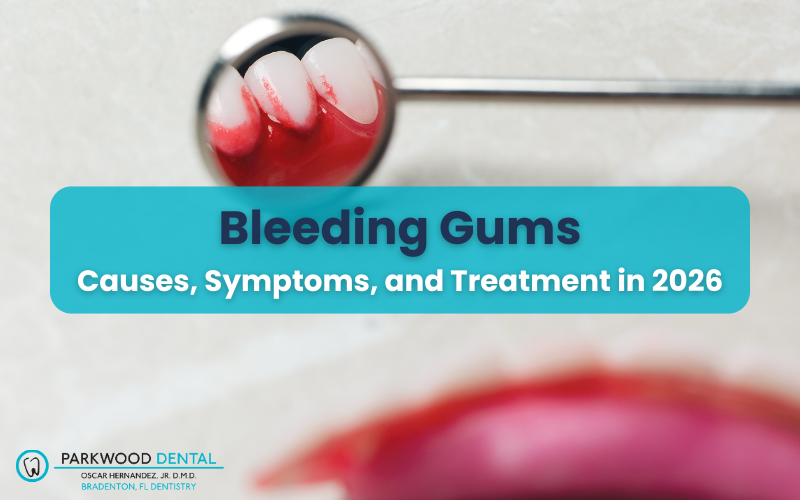
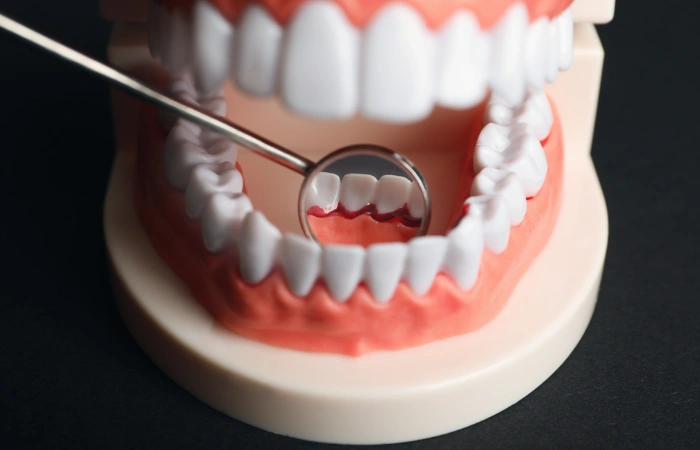
This is the earliest and mildest form of gum disease. Gingivitis is characterized by inflammation of the gums, which can appear red, swollen, and tender. Bleeding may occur during brushing or flossing, and bad breath is often present. Gingivitis is usually caused by the buildup of plaque and tartar on the teeth, which irritates the gums and leads to inflammation.
The good news is, gingivitis is reversible with proper oral hygiene and professional dental care. If done correctly, regular brushing and flossing can remove plaque and prevent tartar buildup, while professional cleanings can remove tartar and smooth out rough surfaces on the teeth that can harbor bacteria. In some cases, your dentist may also recommend antimicrobial mouthwashes or other treatments to help reduce inflammation and promote healing.
2. Periodontitis
The good news is, gingivitis is reversible with proper oral hygiene and professional dental care. If done correctly, regular brushing and flossing can remove plaque and prevent tartar buildup, while professional cleanings can remove tartar and smooth out rough surfaces on the teeth that can harbor bacteria. In some cases, your dentist may also recommend antimicrobial mouthwashes or other treatments to help reduce inflammation and promote healing.

There are three types of periodontitis:
-
- Chronic Periodontitis: The most common form, usually affecting adults. It progresses slowly over time, leading to gum recession, bone loss, and eventually tooth mobility if left untreated.
-
- Aggressive Periodontitis: A less common but more severe form, often affecting younger individuals and families. It progresses rapidly, causing significant damage to the gums and bone in a short amount of time.
-
- Necrotizing Periodontal Disease: A rare and severe form associated with weakened immune systems. It causes rapid and painful tissue death in the gums and bone, often accompanied by foul-smelling breath.
Periodontitis is often painless in the early stages, which is why regular dental checkups are essential to detect this disease as early as possible. Treatment for this stage may include scaling and root planing (deep cleaning), antibiotics, or surgery. In advanced cases, bone grafts or other procedures may be necessary to restore lost bone and tissue.
How to Treat Different Types of Gum Disease
Treating gum disease is crucial to prevent further damage to your gums, bone, and teeth. The specific treatment plan will vary depending on the type and severity of the gum disease you have.
The sooner periodontal disease is diagnosed and addressed, the better because if it’s still in its early stages, it can be reversed. Regular checkups and cleanings are crucial for early detection and prevention of disease progression. If you notice any signs of gum disease, such as red, swollen, or bleeding gums, schedule an appointment with your dentist as soon as possible.
Treatment Options:
-
- Non-surgical Treatments – For mild to moderate gum disease (gingivitis and early-stage periodontitis), non-surgical treatments like scaling and root planing (deep cleaning) are often effective. These procedures effectively eliminate plaque and tartar from below the gum line, which then allows the gums to heal and reattach to the teeth. Your dentist may also recommend antimicrobial mouthwashes or medications to reduce inflammation and fight infection.
-
- Surgical Treatments – For advanced periodontitis with significant bone loss, surgical treatments may be necessary. These procedures can include flap surgery (lifting the gums to clean the roots and repair damaged bone), bone grafts (to replace lost bone), and guided tissue regeneration (to stimulate new tissue growth).
-
- Maintenance Therapy – After gum disease treatment, ongoing maintenance is essential to prevent recurrence. This typically involves regular dental checkups and cleanings, along with good oral hygiene practices at home.
Frequently Asked Questions
Are there risk factors that make me more susceptible to gum disease?
Yes, several factors can increase your risk for gum disease, including smoking, genetics, diabetes, hormonal changes, and certain medications.
How often should I see my Bradenton dentist to prevent gum disease?
To prevent gum disease, most dental professionals recommend visiting your Bradenton dentist for a check-up and cleaning every six months. If you have a higher risk, we may recommend more frequent visits.
Can all types of gum disease cause bad breath?
Yes, persistent bad breath is a very common symptom of both gingivitis and periodontitis. It’s caused by the bacteria that build up in the plaque and pockets around your teeth.
Is necrotizing periodontal disease contagious?
While the condition itself is not contagious, the bacteria that cause it can be transmitted through saliva. However, this severe form of gum disease typically only affects individuals with severely compromised immune systems.
Can gum disease be cured?
Gingivitis, the earliest stage, can be completely cured with professional cleaning and good home care. Periodontitis cannot be cured, but it can be effectively managed to halt its progression and save your teeth.
I’ve noticed my gums bleeding. Should I be concerned?
Yes, you should be concerned if your gums are bleeding. Bleeding gums are never normal and are the most common early warning sign of gingivitis.
Does treatment for gum disease hurt?
Treatment for gum disease, such as a deep cleaning, is performed with local anesthetic to ensure you are completely comfortable throughout the procedure.
Is gum disease treatment covered by insurance?
Most dental insurance plans provide coverage for the treatment of gum disease, including deep cleanings and periodontal maintenance. Our Bradenton office team can help you understand and maximize your benefits.
Can gum disease affect my overall health?
Yes, extensive research has shown a strong link between periodontitis and other systemic health issues, including heart disease, diabetes, and stroke. A healthy mouth contributes to a healthy body.
What does early gingivitis look like?
Early gingivitis looks like gums that are slightly puffier or redder than usual, especially along the edges where they meet the teeth. They may also bleed when you brush.
Schedule a Gum Disease Treatment Consultation with Parkwood Dental Today!
Don’t let gum disease steal your smile! Understanding the different types of gum disease and their potential consequences is the first step toward protecting your oral health. At Parkwood Dental, we offer comprehensive periodontal care tailored to your individual needs. Schedule a consultation today.