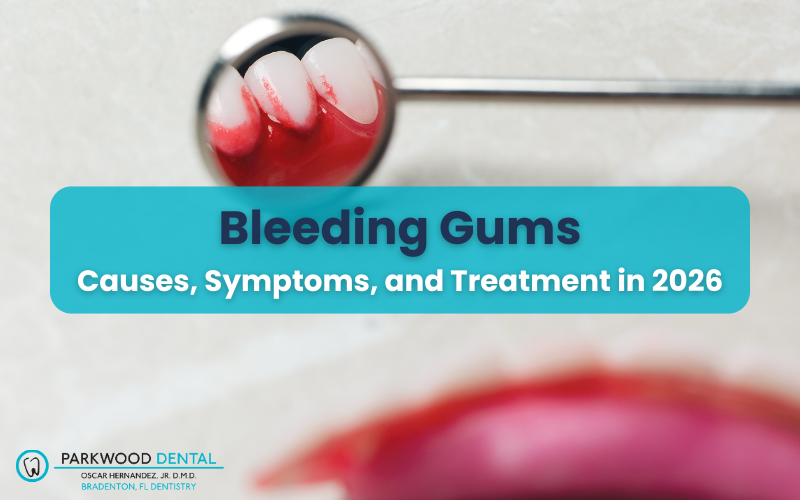
Did you know that gum disease has a huge impact on your immune system? Your immune system produces antibodies to combat bacteria seeping into gum tissues, which leads to bad breath, swollen gums, gingivitis, and other diseases. This causes inflammation and harm to the supporting tissues of the teeth. However, taking better care of your teeth and gums can help you improve your overall health. So, what can you do to improve your gum health?
In this post, we’ll discuss how gum disease can affect your health and well-being and different ways to enhance your oral health.
What is Gum Disease
Gum disease, also known as periodontal disease, affects the tissues surrounding and supporting the teeth. It’s typically caused by the accumulation of plaque—a sticky film of bacteria—on the teeth and along the gum line. If not adequately removed through regular brushing and flossing, plaque can harden into tartar, which can only be removed by a dental professional.
Factors that can increase the risk of gum disease include poor oral hygiene, smoking, hormonal changes (such as during pregnancy or menopause), certain medications, diabetes, genetic predisposition, and certain illnesses that weaken the immune system.
There are two main stages of gum disease:
- Gingivitis — This is the early stage of gum disease, characterized by inflammation of the gums. Symptoms may include redness, swelling, tenderness, and bleeding of the gums, particularly during brushing or flossing. Gingivitis is usually reversible with proper oral hygiene and professional dental care.
- Periodontitis—If gingivitis is left untreated, it can progress to periodontitis, where the inflammation spreads deeper into the gums and affects the supporting bone and fibers that hold teeth in place. As periodontitis advances, the gums may recede from the teeth, pockets may form between the teeth and gums, and bone loss can occur. If not treated, this can eventually lead to tooth loss.
How Gum Disease Is Connected To Your Immune System
Gum disease can have systemic effects on the immune system, meaning it can impact the overall immune response of the body beyond just the oral cavity. The connection between gum disease and the immune system lies in the chronic inflammation associated with periodontal disease.
When gum disease progresses to periodontitis, the chronic inflammation in the gums triggers an immune response. The body’s immune system sends white blood cells to the site of infection to combat the bacteria causing the inflammation.
Inflammation
Gum disease is primarily caused by bacterial infection, which leads to inflammation of the gums. Chronic inflammation can have systemic effects, constantly activating the immune system and potentially leading to immune system dysfunction.
Immune Response
When the body detects bacteria in the gums, the immune system responds by sending immune cells to fight the infection. This ongoing immune response can weaken the immune system over time, as the body may become less effective at responding to other pathogens.
Cytokine Production
Inflammation in the gums triggers the release of cytokines, which are signaling molecules that regulate the immune response. Excessive cytokine production can disrupt the balance of the immune system and lead to immune dysfunction.
Immune Modulation
Chronic gum disease may interfere with the body’s ability to regulate the immune response, leading to immune system dysregulation. This can increase the risk of developing autoimmune diseases or other immune-related conditions.
Systemic Effects
Research suggests that gum disease may be associated with an increased risk of other systemic conditions, such as cardiovascular disease, diabetes, and respiratory infections. These conditions can further stress the immune system and increase susceptibility to infections.
4 Ways to Improve Your Gum Health
The prevention and treatment of gum disease typically involve good oral hygiene practices such as regular brushing, flossing, dental check-ups, and professional dental cleanings to remove plaque and tartar buildup. Improving gum health is essential for overall oral health and can contribute to better overall well-being.
Maintain Good Oral Hygiene
Proper oral hygiene is crucial for preventing gum disease. This includes brushing your teeth at least twice a day with fluoride toothpaste, flossing daily to remove plaque and food particles from between the teeth and along the gum line, and using an antiseptic mouthwash to help reduce bacteria in the mouth.
Regular Dental Checkups
Regular dental checkups and cleanings are essential for maintaining gum health. Your dentist can identify early signs of gum disease and provide professional cleaning to remove plaque and tartar buildup, which can help prevent gum inflammation and infection.
Healthy Lifestyle Choices
Making healthy lifestyle choices can also improve gum health. Avoiding tobacco products is crucial, as smoking and chewing tobacco can increase the risk of gum disease and hinder the healing process. Eating a balanced diet rich in fruits, vegetables, whole grains, and lean proteins can provide essential nutrients that support gum health.
Manage Stress
Stress can weaken the immune system and increase the risk of gum disease. Finding ways to manage stress, such as practicing relaxation techniques like deep breathing, meditation, or yoga, can help improve gum health. Additionally, getting an adequate amount of sleep each night is important for overall health, including immune function and oral health.
Frequently Asked Questions

Can treating my gum disease really improve my overall immune function?
Yes, treating gum disease can significantly improve your overall immune function. By eliminating the chronic infection in your mouth, you reduce the constant inflammatory load on your body, freeing up your immune system to work more effectively.
Can gum disease make me more likely to get sick?
By constantly taxing your immune system, chronic gum disease can potentially weaken its ability to respond effectively to other infections, which could make you more susceptible to illnesses.
What are the first signs of gum disease I should look for?
The earliest signs of gum disease (gingivitis) are red, puffy, or swollen gums, and gums that bleed when you brush or floss. If you notice any of these signs, you should schedule a dental exam.
How can I support my immune system while managing gum disease?
The best way to support your immune system is to treat the source of the infection with professional dental care. This, combined with a healthy lifestyle—including a balanced diet, regular exercise, and stress management—is the most effective approach.
I live in the 34207 ZIP code. How close is your office for a gum health check?
Our office at 2620 48th Ave W is located right in the 34207 ZIP code, making us a highly convenient choice for a comprehensive gum health evaluation if you live in West Bradenton.
Is a deep cleaning the only treatment for gum disease?
A deep cleaning is the essential first step for treating moderate gum disease. For more advanced cases, other treatments, such as gum grafting or other surgical procedures, may be necessary.
Does my dental insurance in Bradenton cover gum disease treatment?
Yes, most dental insurance plans provide coverage for medically necessary treatments for gum disease, such as deep cleanings. Our Bradenton team will help you understand and maximize your benefits.
What can I do at home to prevent gum disease?
You can prevent gum disease at home by brushing twice a day with a soft-bristled brush, flossing daily to clean between your teeth, and attending your regular six-month dental cleanings and check-ups.
Can stress make my gum disease worse?
Yes, stress can weaken your immune system’s response, making it harder for your body to fight the bacteria that cause gum disease.
What is the first step to getting my gum health under control?
The first step is to schedule a comprehensive dental exam at Parkwood Dental. We will assess the health of your gums and create a personalized treatment plan to stop the infection and protect your overall health.
Do you offer financing for treatments like deep cleaning?
Yes, we offer flexible financing options to help make necessary treatments for gum disease fit comfortably within your budget.
Conclusion
Proper dental hygiene can help improve your immune system and is also the best defense against illnesses and diseases. If you are having problems chewing, discomfort in your mouth, or bleeding gums, consult a specialist right away. At Parkwood Dental, we offer top-notch dental treatment to guarantee a smile that is both pleasant and healthy. Contact us today.