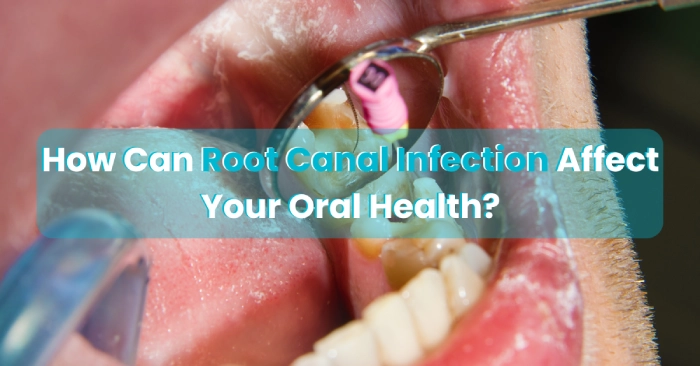
A root canal infection can cause significant problems for your teeth and gums if it isn’t addressed promptly. Many people may associate a root canal with dental treatment, but few understand the complications that can arise when this area of the tooth becomes infected.
Your oral health influences much more than just your smile. It affects how you chew, speak, and even your overall well-being. A root canal infection can result in serious dental complications, including tooth loss, chronic pain, and issues with gum health. In this blog, we’ll discuss how these infections develop and highlight the importance of prevention and root canal treatment in protecting your teeth and gums.
What Is a Root Canal Infection?
A root canal infection develops when bacteria invade the pulp, the tooth’s innermost layer. The pulp houses nerves, blood vessels, and connective tissue, which help keep the tooth alive. When tooth decay, cracks, or injuries expose this sensitive area to oral bacteria, an infection can develop.
As the bacteria multiply, they trigger inflammation and may lead to an endodontic infection. Over time, this can cause a dental abscess—an accumulation of pus near the tooth root. Common infection symptoms include persistent toothache, gum swelling, sensitivity to hot or cold, and even bad breath. Ignoring these signs can allow the infection to spread beyond the tooth, leading to further oral health issues.
How Root Canal Infection Affects Oral Health
A root canal infection can have far-reaching consequences for your oral health, which extends beyond the infected tooth itself. When left untreated, it may lead to a cascade of problems affecting your teeth, gums, and even overall health. Below are some of the key ways a root canal infection can impact your oral health:
Tooth Decay and Abscess Formation
Tooth decay often sets the stage for infections. If untreated, the bacteria can penetrate deep into the tooth, causing an abscess. A dental abscess leads to chronic pain, swelling, and potential difficulty eating or speaking.
Gum Inflammation and Compromised Gum Health
Root canal infections frequently affect the surrounding gum tissue, which causes gum inflammation. This can make routine oral hygiene difficult and may raise the likelihood of developing gum disease. Healthy gums are important for supporting your teeth and maintaining overall oral health.
Tooth Loss Risk
Advanced root canal infections can weaken the structures that hold the tooth in place. When the surrounding bone and tissue are severely damaged, tooth extraction may become the only option. Losing a tooth can impact your bite, speech, and self-confidence.
Infection Spread to the Jawbone
If the infection spreads beyond the tooth, it can damage the jawbone. Jawbone health is essential for maintaining the structure and alignment of your teeth. An untreated infection in this area could result in the need for more advanced dental treatments in the future.
Systemic Health Effects
The oral bacteria involved in root canal infections can enter the bloodstream, which leads to systemic health effects. Research shows links between untreated oral infections and issues like cardiovascular disease, diabetes complications, and respiratory infections.
How to Prevent and Treat Root Canal Infections

Preventing tooth infection and seeking early treatment for root canal issues are key steps in preserving your oral health. While preventive measures can help you avoid infections altogether, effective treatments are available when they do occur.
Tips for Preventing Tooth Infection
Maintaining strong, healthy teeth and gums starts with preventing tooth infections. With consistent care and awareness, many common dental problems, including root canal infections, can be avoided. Here are some practical tips to help you protect your oral health:
1. Prioritize Oral Hygiene
Brushing at least twice daily, flossing regularly, and using mouthwash are crucial for managing oral bacteria. These habits lessen the risk of tooth decay and gum inflammation, which can lead to infections.
2. Schedule Regular Dental Appointments
Routine dentist visits are key to keeping your teeth healthy. Professional cleanings help eliminate plaque and tartar that can cause decay and gum issues. Your dentist can also catch early indications of problems such as cavities or gum disease before they get worse. Aim to schedule a checkup every six months or as your dentist recommends.
3. Address Cavities and Dental Damage Promptly
Ignoring cavities or cracked teeth allows bacteria to enter deeper layers of the tooth, which increases the risk of infection. Seek treatment for dental issues as soon as you notice them. Restorative options like fillings or crowns can stop decay in its tracks and protect your tooth’s integrity.
4. Protect Teeth During Activities
Accidents during sports or physical activities can damage teeth, creating entry points for harmful bacteria. Wearing a mouthguard during high-impact activities helps shield your teeth from cracks, chips, and trauma that can lead to infection.
5. Follow a Balanced Diet
A balanced diet with plenty of vitamins and minerals is important for strong teeth and gums. Cut back on sugary and acidic foods, as they can weaken enamel and lead to tooth decay. Instead, focus on calcium-rich foods such as dairy products, leafy greens, and nuts, along with vitamin C to boost gum health.
Root Canal Treatment Options
If a root canal infection does develop, timely professional care is essential to prevent further damage and restore your oral health. Fortunately, effective treatments are available to manage these infections and their symptoms:
Root Canal Therapy
Root canal therapy is a widely used treatment for tooth pulp infections. The process removes the infected tissue, cleans the inside of the tooth, and seals it to avoid further infection.
Root Canal Retreatment
If symptoms persist after an initial procedure, a root canal retreatment may be necessary. This process involves reopening the tooth and removing any remaining bacteria or damaged tissue.
Tooth Extraction and Replacement
In severe cases, the damaged tooth may need to be removed. Replacement options like dental implants or bridges can restore both function and appearance, which guarantees a healthy and confident smile.
Frequently Asked Questions
What is a root canal infection?
A root canal infection happens when bacteria enter the soft inner part of the tooth, called the pulp. This can happen from deep decay, cracks, trauma, or untreated cavities.
What are the early signs of a root canal infection?
Early signs may include ongoing toothache, pain when chewing, lingering sensitivity to hot or cold, swollen gums, bad breath, or tenderness near one tooth.
Is a root canal infection the same as a dental abscess?
Not exactly. A root canal infection starts inside the tooth. A dental abscess is a pocket of pus that can form near the tooth root when the infection spreads.
How can a root canal infection affect my oral health?
A root canal infection can cause tooth pain, gum swelling, abscesses, bone damage, and tooth loss if left untreated. It can also make chewing, speaking, and daily comfort more difficult.
Can a root canal infection spread to the gums?
Yes. The infection can irritate nearby gum tissue and cause swelling, redness, tenderness, or inflammation. This can make it harder to keep the area clean and may increase the risk of gum disease.
Can a tooth infection spread to the jawbone?
Yes. If the infection is not treated, it can spread beyond the tooth root and damage the jawbone. This may require more advanced dental treatment.
Can a root canal infection cause tooth loss?
Yes. If the infection becomes severe and damages the tooth, gums, or supporting bone, the tooth may no longer be savable and may need to be extracted.
Can a tooth infection make me feel sick?
Yes. A serious tooth infection can cause fever, facial swelling, fatigue, and a general feeling of being unwell. This is a sign that you should seek dental care quickly.
Is a severe toothache a dental emergency?
Yes. A severe, throbbing toothache, especially with swelling, fever, or facial pain, should be treated as a dental emergency. Contact a dentist as soon as possible.
Can antibiotics cure a root canal infection?
Antibiotics may temporarily reduce swelling or slow the spread of infection, but they do not remove the infected tissue inside the tooth. A root canal or another dental treatment is usually needed to fix the source.
The Bottom Line
Root canal infections can have a serious effect on your oral health, causing pain, swelling, and potential long-term issues such as tooth loss and jawbone deterioration. Maintaining good oral hygiene and getting prompt dental care can help lessen the risk of infection and keep your smile healthy and strong.
At Parkwood Dental, we are committed to providing expert care to protect your oral health and treat conditions like root canal infections. We welcome Spanish-speaking clients and offer personalized preventive and restorative dental services to suit your needs. Book an appointment now!