Tooth loss can significantly impact your confidence, oral health, and quality of life. While several solutions are available, dental implants have gained recognition as one of the most effective long-term tooth replacement options. Their ability to mimic the appearance and function of natural teeth, combined with their durability, makes them an appealing choice. But do dental implants truly outperform alternatives like dentures in terms of longevity and reliability?
This blog will explore the dental implant success rate, key factors influencing their performance, and why they’re the gold standard for permanent tooth replacement.
Dental Implant Success Rate
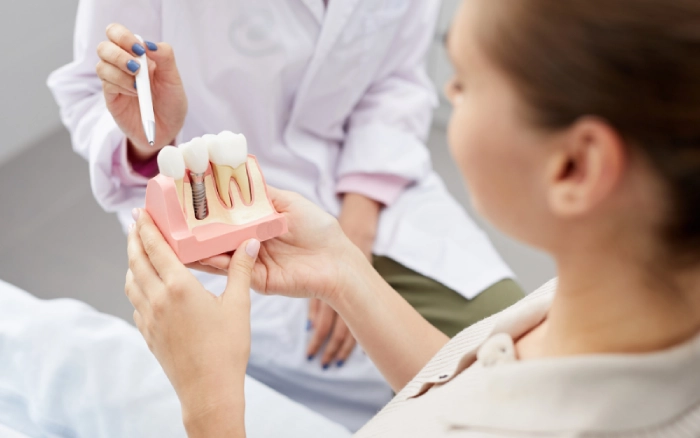
Dental implants boast an overall success rate of 90-95%, making them a highly reliable solution for long-term oral health. The success lies in their design and functionality. Unlike dentures, implants fuse directly with the jawbone through osseointegration, ensuring a stable foundation. This integration provides unmatched dental implant stability while also promoting bone preservation, a critical factor in maintaining jaw health.
With proper care and implant maintenance, many implants last for decades, proving to be a cost-effective and durable investment. Patients experience fewer issues, higher satisfaction, and long-term confidence in their smiles.
Factors Behind the Long-Term Success Rate of Dental Implants
There are several key factors that contribute to the long-term success of dental implants. From preserving bone health to using durable materials, each aspect plays a critical role in ensuring their longevity and effectiveness.
1. Bone Preservation
Dental implants excel in bone preservation by mimicking the natural root of a tooth. When teeth are lost, the surrounding jawbone can deteriorate over time, leading to facial structure changes. Implants stimulate the jawbone, preventing bone loss and ensuring the durability of dental implants. This feature not only maintains facial aesthetics but also supports overall oral health for the long term.
2. Dental Implant Materials
The materials used in implants, such as titanium and zirconia, are biocompatible, ensuring that they integrate seamlessly with the jawbone. These materials are corrosion-resistant and durable, contributing to implant longevity. High-quality materials also reduce the implant failure rate by minimizing complications like rejection or infection, which enhances their reliability as a long-term tooth replacement solution.
3. Gum Health with Implants
Healthy gums are essential for the success of dental implants. Issues like gum disease can compromise the implant’s stability and lead to complications. Proper oral hygiene and routine dental check-ups help maintain gum health with implants, ensuring their long-term success. This proactive care reduces the risk of peri-implantitis and supports the tooth implant survival rate.
4. Implant Maintenance
Routine care is critical for the long-term oral health of dental implants. While implants are resistant to decay, they still require brushing, flossing, and professional cleanings. Neglecting these practices can lead to gum inflammation and implant instability. With consistent implant maintenance, patients can enjoy a high dental implant retention rate, making implants a cost-effective and enduring choice.
5. Implant vs. Dentures
When comparing implant vs. dentures, implants offer superior stability, aesthetics, and functionality. Dentures often slip, require adhesives, and need periodic replacements, while implants provide a secure, permanent solution. Their ability to function like natural teeth contributes to higher patient satisfaction and eliminates many of the inconveniences associated with traditional dentures.
6. Implant Complications
Although rare, complications such as infection or loosening can occur. Advances in surgical techniques and materials have substantially lowered the implant failure rate. By selecting an experienced provider and following post-operative care instructions, patients can minimize risks and ensure a high tooth implant survival rate, contributing to their overall success.
7. Patient Satisfaction
Dental implants deliver unparalleled comfort, functionality, and aesthetic appeal, resulting in high patient satisfaction. They eliminate issues like discomfort from ill-fitting dentures and restore confidence in chewing and speaking. This satisfaction stems from their natural feel, dental implant stability, and longevity, reinforcing their reputation as the top choice for long-term tooth replacement.
Frequently Asked Questions

What is the long-term success rate of dental implants?
Dental implants have a high long-term success rate, often around 90% to 95% or higher. With proper care, healthy gums, and regular dental visits, many implants can last for decades.
How long do dental implants really last?
The titanium implant post is designed to last a lifetime with proper care. The crown attached to the implant may need replacement after 15 to 25 years due to normal wear.
Are dental implants a better long-term option than dentures?
Yes, for many patients. Dental implants are more stable, help prevent jawbone loss, and can last much longer than dentures, which often need replacement or adjustments every few years.
Why do dental implants last so long?
Dental implants fuse with the jawbone through a process called osseointegration. This creates a strong foundation that acts like a natural tooth root and supports long-term stability.
Do dental implants help prevent bone loss?
Yes. Dental implants stimulate the jawbone like natural tooth roots. This helps prevent bone loss and supports the shape of your face over time.
What factors affect dental implant success?
The main factors include healthy gums, enough jawbone, good oral hygiene, overall health, quality implant materials, proper placement, and regular dental checkups.
Can a dental implant fail?
Yes, but it is rare. Implant failure can happen because of infection, poor oral hygiene, smoking, uncontrolled health conditions, or lack of proper follow-up care.
What are the signs of a failing dental implant?
Warning signs include pain, swelling, bleeding, infection, gum recession, difficulty chewing, or an implant that feels loose. If any of these happen, contact your dentist right away.
Does gum health affect dental implant success?
Yes. Healthy gums are very important for implant stability. Gum disease or inflammation around the implant can lead to complications and may increase the risk of implant failure.
Does smoking affect dental implants?
Yes. Smoking can slow healing, increase infection risk, and reduce the long-term success of dental implants. Smokers may still qualify, but quitting can improve results.
Conclusion
Dental implants stand out as a reliable, durable, and aesthetically pleasing solution for long-term tooth replacement. Their high overall success rate, coupled with benefits like bone preservation, dental implant stability, and long-term cost-effectiveness, makes them a preferred choice for patients seeking a permanent solution to tooth loss.
At Parkwood Dental, we specialize in high-quality dental implant procedures tailored to meet your needs. We also cater to Spanish-speaking clients to ensure every patient feels comfortable and supported. Contact us today to schedule your consultation and take the first step toward a healthier, more confident smile!
⬇️ Parkwood Dental EAST office located at 8495 Heritage Green Way #108, Bradenton, FL 34212 ⬇️
⬇️ Parkwood Dental WEST office located at 2620 48th Ave W, Bradenton, FL 34207 ⬇️