Gum disease, or periodontal disease, poses a significant oral health concern affecting a large portion of the population. In Bradenton, Florida, this condition is particularly common due to various factors, like lifestyle choices, diet, and access to dental care. This blog will explore the prevalence of gum disease in Bradenton, the contributing factors, symptoms to watch for, and preventive measures to help residents maintain better oral health.
What Is Gum Disease in Bradenton?
Gum disease is an infection that affects the tissues supporting and surrounding your teeth. It originates primarily from plaque, a sticky film of bacteria that forms on the teeth. When plaque accumulates and hardens into tartar due to inadequate brushing and flossing, it triggers inflammation and eventually leads to periodontal disease. There are two main stages of this disease:
1. Gingivitis
During its early stages, gums may turn red, swell, and easily bleed when brushing or flossing. Fortunately, gingivitis can often be reversed through effective dental care and improved oral hygiene habits, like more frequent brushing and flossing, along with regular dental cleanings.
2. Periodontitis
When untreated, gingivitis can advance to periodontitis. This more severe stage involves the gums pulling away from the teeth, forming pockets that become infected. Eventually, the bones, gums, and tissue supporting the teeth can be destroyed, potentially leading to tooth loss.
Effective treatment of gum disease involves early detection through regular dental visits and prompt intervention to prevent progression to periodontitis. Maintaining a thorough oral hygiene routine and seeking professional dental care are critical in managing and treating periodontal disease effectively in Bradenton.
Is Gum Disease Common in Bradenton?

Gum disease is a widespread issue, not just on a national level but also within specific communities like Bradenton. The prevalence of periodontal disease in Bradenton is influenced by various demographic and lifestyle factors. Understanding the extent of this condition can help formulate effective prevention and treatment strategies for the local population.
As per the National Institutes of Health (NIH), gum disease affects a significant proportion of adults aged 30 years and older, with 47.2% experiencing varying degrees of this condition. This highlights its widespread prevalence among adults, with even higher rates observed among older demographics. For instance, among adults aged 65 years and older, the prevalence rises to 70.1%, emphasizing the increased risk associated with aging.
In addition, Florida faces notable challenges in oral health. During 2016-2017, approximately 25.1% of third-grade children had untreated decay, and 40.5% received dental sealants. In 2018, 65.7% of adults in Florida visited a dental clinic, while 45.8% underwent permanent tooth extraction due to periodontal disease. These figures underscore the significant impact of oral health issues within the region, emphasizing the need for comprehensive preventive and treatment measures.
Symptoms of Gum Disease in Bradenton
Identifying the symptoms of periodontal disease is essential for early intervention and effective treatment. Being aware of these indicators can prompt timely dental care, preventing further complications. Common symptoms include:
- Inflamed Gums: Gums that are red, swollen, or tender.
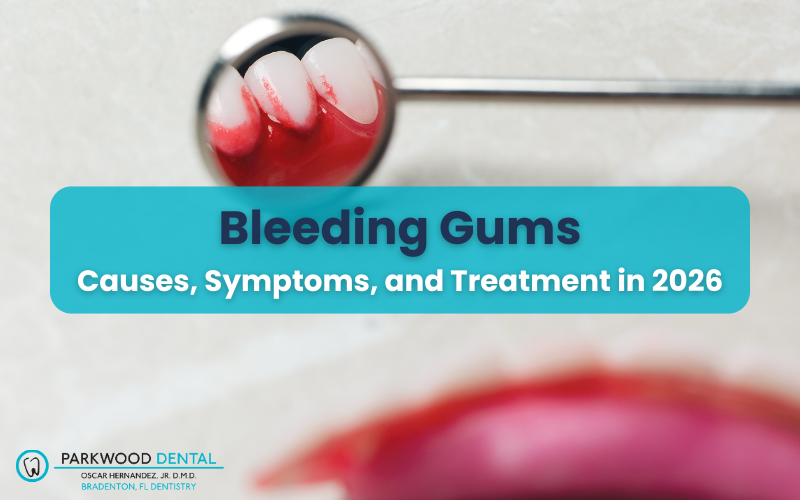
- Bleeding Gums: Bleeding, especially during brushing or flossing.
- Persistent Bad Breath: Chronic bad breath that doesn’t resolve with oral hygiene measures.
- Gum Recession: Gums that seem to be pulling away from the teeth.
- Loose Teeth: Teeth that feel loose or change in how teeth fit together when biting.
6 Ways to Prevent Gum Disease in Bradenton
Preventing periodontal disease involves proactive oral hygiene and lifestyle choices that promote long-term dental health. By adopting and adhering to these practices, residents of Bradenton can effectively safeguard their gums and teeth:
1. Maintain Consistent Brushing and Flossing
Brush your teeth at least twice daily and floss thoroughly every day. This routine helps remove plaque—a sticky film of bacteria—preventing its hardening into tartar, which can lead to gum inflammation and disease.
2. Embrace a Nutrient-Rich Diet
Consume a balanced diet abundant in essential nutrients like vitamins and minerals. Minimize intake of sugary snacks and beverages, as sugars contribute to plaque buildup and increase the risk of gum disease.
3. Prioritize Regular Dental Check-ups
Schedule dental visits at least twice annually for comprehensive exams and professional cleanings. These appointments enable dentists to monitor your oral health closely, identify early signs of periodontal disease, and intervene promptly.
4. Quit Tobacco Use
Smoking and tobacco use significantly heighten the risk of periodontitis. Quitting smoking not only benefits oral health but also reduces the likelihood of developing other dental issues and systemic health problems
5. Incorporate Antimicrobial Mouthwash
Consider integrating an antimicrobial mouthwash into your daily oral hygiene routine. This helps to further reduce bacteria in the mouth, control plaque buildup, and combat gingivitis.
6. Manage Stress Levels
Chronic stress weakens the immune system, which makes it more difficult for the body to fight infections, including periodontal disease. Engage in stress-relief activities such as exercise, meditation, or hobbies to support overall health and oral well-being.
FAQs
Can gum disease be treated or reversed?
Yes, the earliest stage, gingivitis, is completely reversible with professional cleanings and good home care. The more advanced stage, periodontitis, cannot be cured, but it can be effectively managed with treatment to stop its progression.
Is gum disease contagious?
While the bacteria that cause gum disease can be passed through saliva, the condition itself isn’t considered contagious. Developing the disease depends more on your personal oral hygiene, genetics, and overall health.
How often should I visit your Bradenton office if I have gum disease?
If you have periodontitis, we will typically recommend more frequent visits for periodontal maintenance cleanings, usually every 3 to 4 months, to keep the infection under control.
What’s the first step I should take if my gums are bleeding?
The first step is to improve your brushing and flossing technique at home. If the bleeding persists for more than a week, you should schedule an exam at one of our Bradenton offices, as it’s a primary sign of gingivitis.
How is gum disease related to my overall health?
The connection is significant. The bacteria and inflammation from gum disease can enter the bloodstream and have been linked to serious health issues like heart disease, stroke, diabetes, and respiratory problems.
Does my dental insurance cover gum disease treatment?
Most dental insurance plans provide coverage for gum disease treatment, including deep cleanings (scaling and root planing). Our Bradenton team can help you understand and maximize your benefits.
Why is quitting smoking important for my gum health?
Quitting smoking is one of the best things you can do for your gums. Smoking weakens your immune system and makes it much harder for your gums to heal, dramatically increasing your risk for severe periodontitis.
Are both of your Bradenton offices equipped to treat gum disease?
Yes, both our Parkwood Dental WEST office (on 48th Ave W) and our EAST office (on 8495 Heritage Green Way #108) provide comprehensive exams and treatment for all stages of gum disease.
Can stress affect my gums?
Yes, chronic stress can weaken your immune system, making it more difficult for your body to fight off the bacterial infection that causes gum disease.
What kind of toothbrush is best for preventing gum disease?
We recommend using a soft-bristled toothbrush and gentle, circular motions when brushing along the gum line to effectively remove plaque without causing irritation.
Conclusion
Gum disease is a common and significant oral health issue in Bradenton. By understanding the prevalence and taking proactive measures, residents can protect their oral health and prevent the progression of this disease. Regular dental check-ups, diligent oral hygiene practices, and a healthy lifestyle are key to preserving healthy gums and teeth. If you notice symptoms of periodontal disease, seeking prompt, professional dental care can prevent more serious complications.
At Parkwood Dental, we specialize in comprehensive dental services, encompassing prevention, diagnosis, and treatment of gum disease. Our experienced team is dedicated to helping you achieve and maintain optimal oral health. Reach out to us to schedule an appointment.